
A new study is sharpening a familiar health message: moving more still matters, but how hard you move may matter too.
The study, published in the European Heart Journal, found that a small amount of vigorous activity may be linked to a lower risk of eight chronic diseases.
CNN wellness expert Dr. Leana Wen said the research examined how the intensity of physical activity is related to the risk of developing a range of chronic diseases. Researchers analyzed data from two large groups in the UK Biobank, a long-term health study in the United Kingdom.
“One group included about 96,000 people who wore wrist activity trackers that objectively measured their movement, and the other included more than 375,000 people who self-reported their activity,” Wen said.
Researchers followed participants for an average of about nine years and looked at the development of eight conditions: major cardiovascular events, atrial fibrillation, type 2 diabetes, immune-related inflammatory diseases, fatty liver disease, chronic respiratory disease, chronic kidney disease and dementia, along with overall mortality.
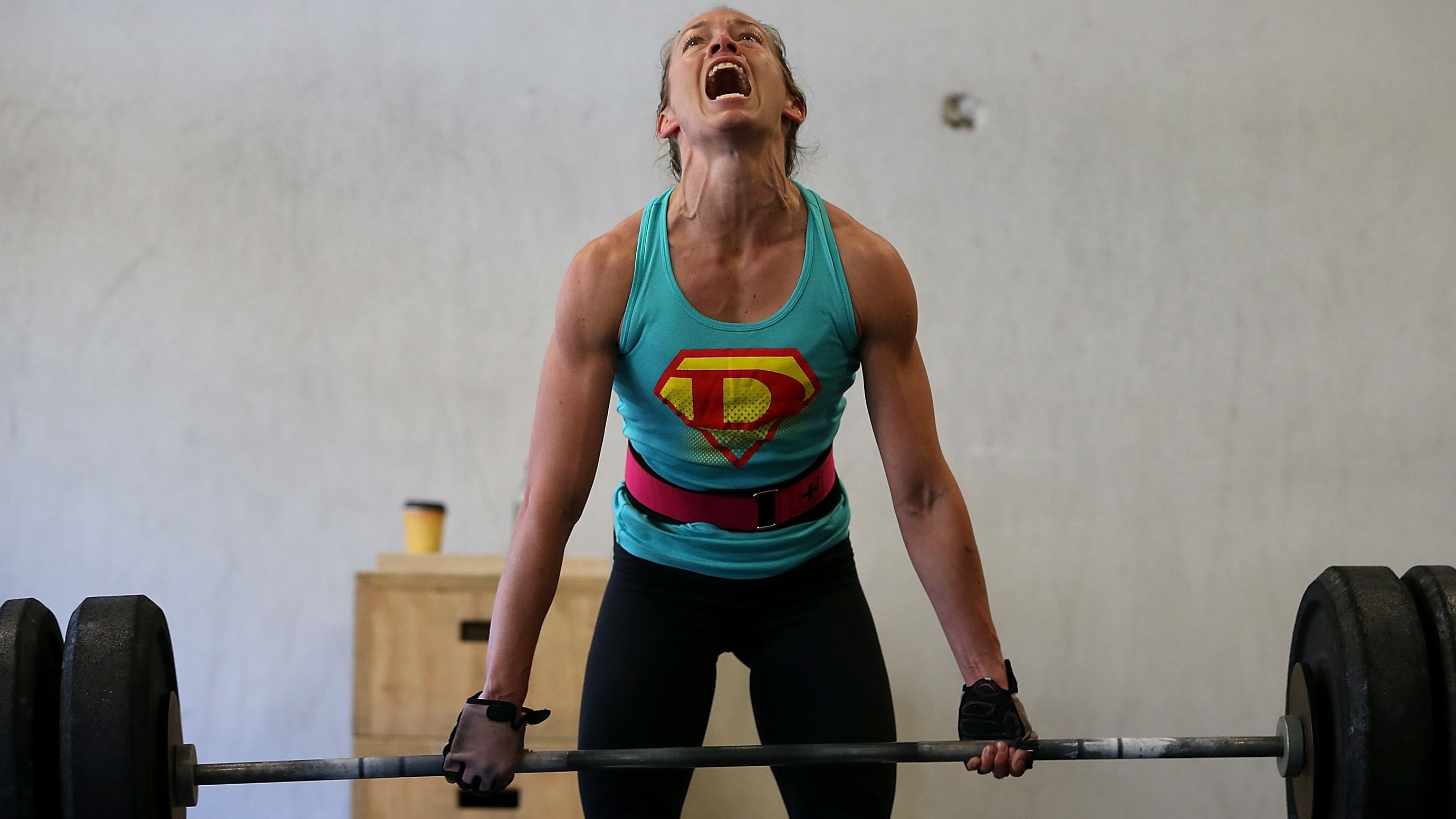
“The key finding was that the proportion of activity done at vigorous intensity mattered,” Wen said. “People who had more than about 4 percent of their total activity classified as vigorous had substantially lower risks of developing these conditions compared with people who had no vigorous activity at all.”
Wen said the benefit appeared to extend across different activity levels.
“Even people who exercised a lot still benefited if the proportion of time they spent doing vigorous physical activity was increased,” she said. “Conversely, people who were relatively inactive also benefited from adding just a little bit of higher-intensity exercise to their daily routines.”
She said vigorous activity is generally defined as exercise that substantially raises heart rate and breathing.
“A simple way to gauge it is the ‘talk test,’” Wen said. “If you can speak comfortably in full sentences while exercising, you are likely in the low to moderate range. If you are so out of breath that you can only say a few words at a time, that is vigorous.”
Wen said running, cycling, lap swimming or climbing stairs quickly could count, but added that it depends on a person’s baseline fitness. “For some individuals, taking longer strides with walking can be vigorous exercise,” she said. “Others who are already fairly fit would need to do more.”
She also said vigorous activity does not have to come from a structured exercise plan.
“Short bursts of effort in daily life, such as rushing to catch a bus or carrying heavy groceries upstairs, can also qualify if they raise your heart rate and make you breathless,” Wen said.
On why intensity may make a difference, Wen said higher-intensity activity places greater demands on the body in a shorter period.
“This type of movement can improve cardiovascular fitness, increase insulin sensitivity and support metabolic health more efficiently than lower-intensity activity alone,” she said.
She said the researchers found that some conditions, including immune-mediated inflammatory diseases, appeared to be more strongly linked to intensity than to the total amount of activity. For type 2 diabetes and kidney disease, she said both the amount and intensity of activity appeared to matter.
“The threshold for people seeing a benefit appears to be relatively low,” Wen said. “The researchers found that once people reached more than about 4 percent of their total activity as vigorous, their risk of developing chronic diseases dropped substantially.”
In practical terms, she said, “Everyday people may see benefits from just doing a few minutes of vigorous effort daily.”
Wen said people can build that activity in short bursts during the day. “People can take the stairs instead of the elevator and do so at a faster pace than usual,” she said. “When they are heading to work, they can add some speed walking. They can park farther away when grocery shopping and walk briskly while carrying groceries.”
She said structured exercise can also include intervals of harder effort. “Aim for multiple intervals of at least 30 seconds to a minute each where your body is working hard enough that you feel noticeably out of breath,” Wen said.
For older people or those with mobility issues, Wen said vigorous activity is relative to a person’s baseline. “For someone who is not used to exercise, even a short period of slightly faster walking or standing up repeatedly from a chair could be considered high intensity,” she said. “And not everyone may be able to walk. In that case, some exercises from the chair can have aerobic benefits.”
She said people with specific medical conditions should consult their primary care clinicians before starting a new exercise routine, and those with mobility issues may benefit from working with a physical therapist.
“To me, the main takeaway from this study is that it’s not only how much total exercise you get but also how hard you push yourself that matters,” Wen said. “And you don’t have to have a lot of high-intensity exercise: Adding just a little has substantial health benefits across a wide range of chronic health conditions.”
Read more from CNN.